Advice & Expertise

Advice & Expertise

Professional guidance to help you prepare your outings: safety, equipment, physical preparation, and weather awareness.

The mountains are a beautiful but demanding environment. Whether in summer hiking or winter activities, proper preparation and risk awareness are essential.

Drawing on my field experience and professional guiding background, I share practical advice to help you move safely in the mountains while respecting the environment and other users.

These tips are designed for both beginners and regular practitioners looking to become more autonomous.

Prepare Your Hikes Safely

Randonnée estivale en montagne

Plan Your Route

  • Analyze both elevation gain and loss (not just distance)
  • Estimate realistic hiking time (including breaks)
  • Identify escape routes and areas without escape options in case of bad weather
  • Check trail markings and terrain type

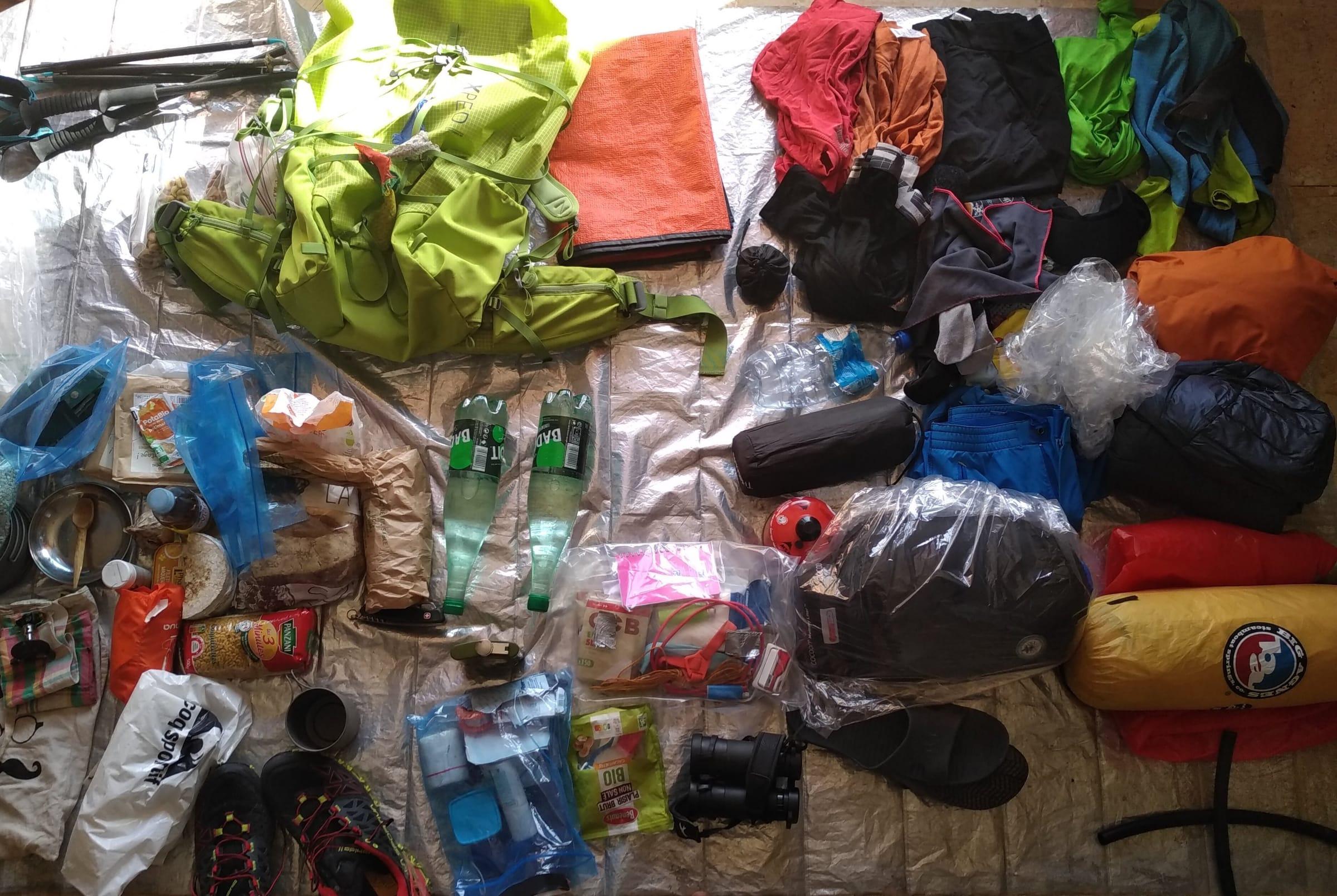
Essential Equipment

  • Suitable shoes adapted to the terrain
  • Sufficient water supply
  • Sun protection (hat, sunglasses, sunscreen)
  • Waterproof jacket
  • Map, GPS, or reliable navigation app
  • First aid kit

Manage Weather & Heat

  • Check multiple local weather sources
  • Start early to avoid storms and heat
  • Do not hesitate to turn back if conditions change
  • Drink regularly to prevent dehydration

Group Safety

  • Adapt the pace to the slowest person
  • Take regular breaks
  • Pay special attention to children and seniors
  • Know when to turn back

In the mountains, a trail that looks easy on the map can become demanding in reality.

Understand and Manage Winter-Specific Risks

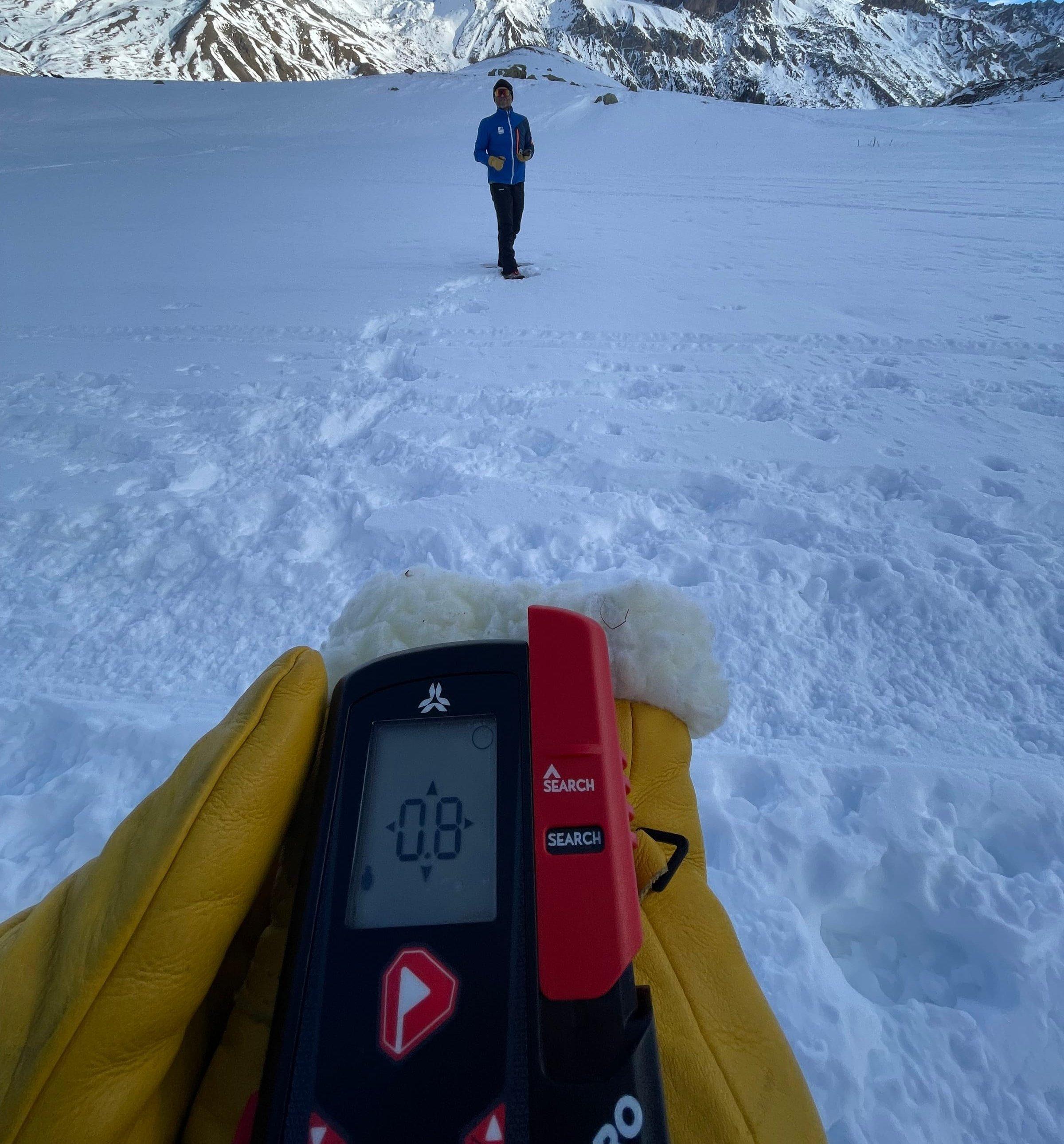
Équipement de sécurité avalanche DVA

Key Risks

  • Cold and wind
  • Reduced visibility
  • Dehydration
  • Slippery terrain
  • Avalanche risk

Essential Winter Equipment

  • Warm, breathable clothing
  • Gloves, hat, overtrousers
  • Crampons or snowshoes depending on conditions
  • Avalanche safety kit (transceiver, shovel, probe) depending on terrain
  • Map and compass

Reading the Avalanche Bulletin (BERA)

(Avalanche Risk Forecast)

  • Understand the risk scale
  • Identify affected slopes
  • Adapt your route accordingly

Responsible Behavior

  • Stay humble in changing conditions
  • Turn back if in doubt
  • Do not blindly follow other groups

Winter can completely transform a summer route.

Being able to navigate is a key skill, both in summer and winter:

  • Reading IGN maps
  • Understanding terrain features
  • Smart use of GPS
  • Managing navigation errors

These skills are best learned in the field, guided by a professional.
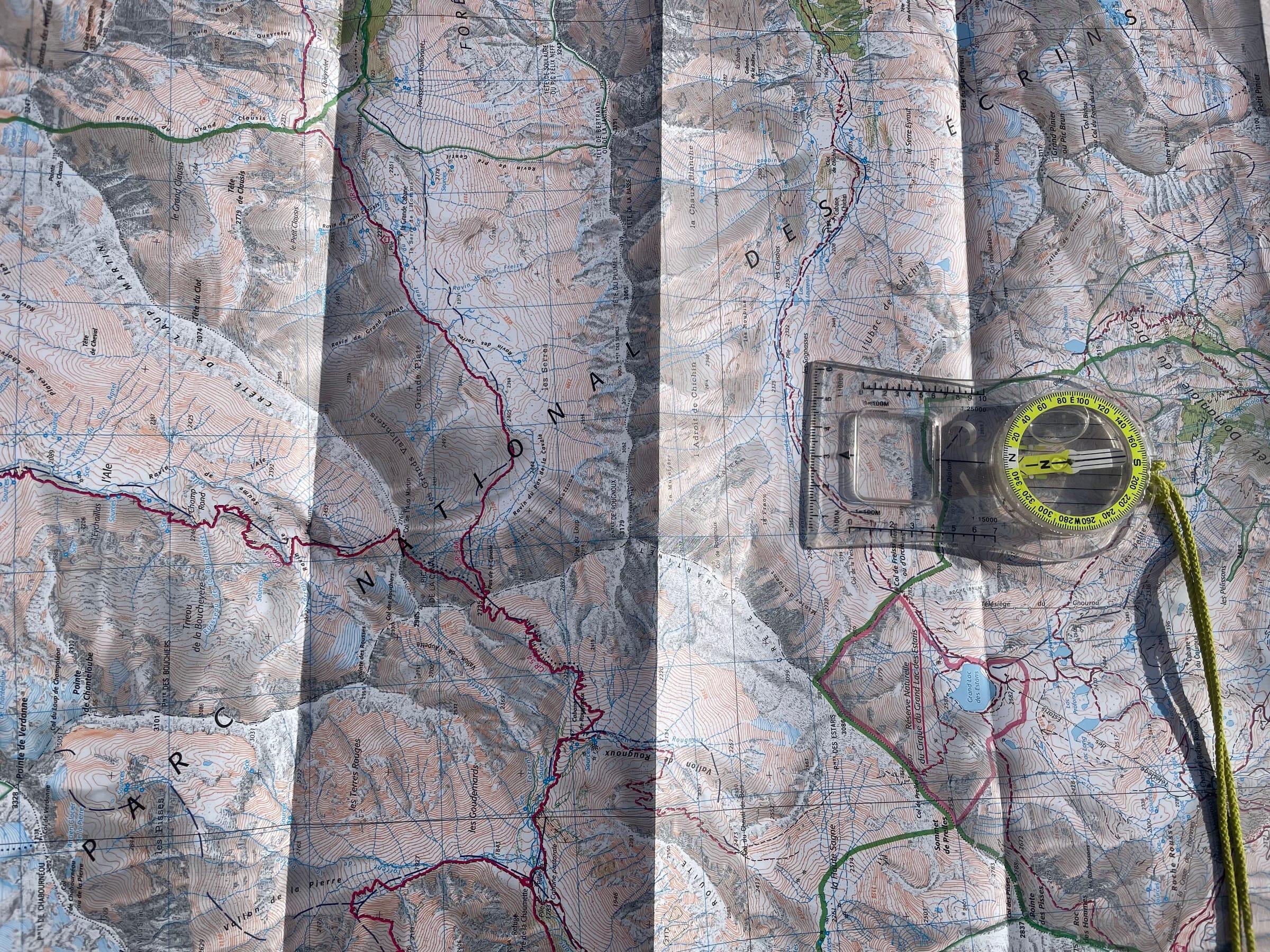
Carte et boussole pour l'orientation en montagne

Respect for Nature & Regulations

A responsible approach helps preserve natural environments:

Stay on marked trails

Respect wildlife and plant life

Follow bivouac regulations depending on the area

Apply the "Leave No Trace" principles

Train to Practice Safely

Advice is essential, but guided practice is what truly builds the right habits.

That's why I offer field-based training adapted to your level, helping you gain autonomy and safety in the mountains.

Discover my mountain and safety training courses